
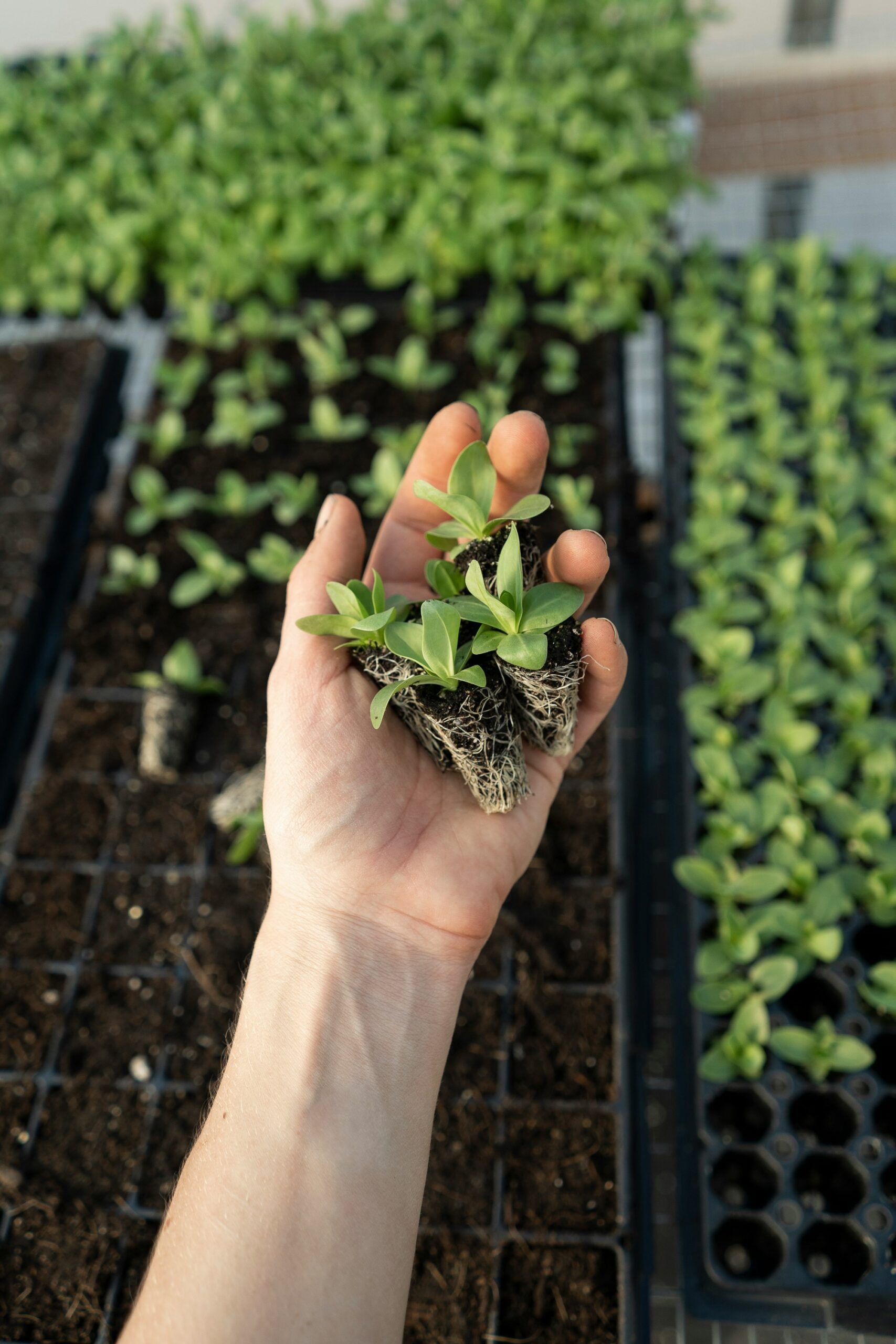
In a world increasingly dominated by large-scale industrial farming, small farms continue to play a powerful and often underestimated role. Local agriculture supports communities, strengthens local economies, protects the environment, and provides fresher, more nutritious food. While small farms may not always match the output of industrial operations, their impact reaches far beyond production numbers. From rural livelihoods to sustainable food systems, small farms truly make a big difference.
Understanding Small and Local Farms
What Defines a Small Farm?
Small farms are typically family-owned or independently operated agricultural businesses that manage limited acreage and production levels. They often focus on diverse crops or livestock rather than mass-producing a single commodity. Many small farms sell their products directly to consumers through farmers’ markets, local stores, or community-supported agriculture programs.
This close connection between farmers and consumers is one of the defining features of local agriculture.
The Rise of Local Food Movements
In recent years, there has been growing interest in knowing where food comes from. Consumers are increasingly drawn to locally grown products due to concerns about food quality, environmental impact, and community support. This shift has brought renewed attention to the value of small farms and their role in modern food systems.
Local agriculture aligns with a desire for transparency, freshness, and responsible food production.
Strengthening Local Economies
Keeping Money Within the Community
One of the biggest benefits of small farms is their contribution to local economies. When consumers buy directly from local farmers, more money stays within the community. Farmers spend their earnings locally, supporting other small businesses such as equipment suppliers, markets, and service providers.
This cycle of local spending helps create jobs and strengthens regional economic stability.
Supporting Rural Livelihoods
Small farms are a major source of employment in rural areas. They provide income for farming families and seasonal workers while preserving agricultural traditions and skills. Without small farms, many rural communities would face economic decline and population loss.
By supporting local agriculture, communities help maintain vibrant rural economies and cultural heritage.
Environmental Benefits of Small-Scale Farming
Sustainable Land Management
Small farms often use more environmentally friendly practices compared to large industrial operations. Many focus on crop rotation, mixed farming, and reduced chemical use. These methods help maintain soil health, reduce erosion, and protect surrounding ecosystems.
Because small farmers work closely with their land, they are more likely to prioritize long-term soil fertility over short-term gains.
Lower Carbon Footprint
Local agriculture reduces the distance food travels from farm to consumer. Shorter supply chains mean fewer transportation emissions, which helps lower the overall carbon footprint of food production.
By choosing locally grown food, consumers indirectly support climate-friendly practices and reduce reliance on long-distance transportation.
Fresher Food and Better Nutrition
Harvested at Peak Freshness
One of the most noticeable advantages of local agriculture is food quality. Produce from small farms is often harvested at peak ripeness and sold shortly afterward. This results in better flavor, texture, and nutritional value compared to food that travels long distances and sits in storage.
Fresh food not only tastes better but also retains more essential vitamins and nutrients.
Transparency and Trust
Buying from small farms allows consumers to know how their food is grown. Many local farmers are open about their farming practices and are willing to answer questions. This transparency builds trust and gives consumers confidence in the safety and quality of their food.
Knowing the farmer behind the food creates a stronger connection to what we eat.
Preserving Biodiversity and Traditional Practices
Diverse Crops and Livestock
Small farms often grow a wide variety of crops and raise different types of livestock. This diversity helps preserve plant and animal varieties that may not be profitable for large-scale farming. Maintaining biodiversity is essential for resilient ecosystems and long-term food security.
Diverse farms are also better equipped to adapt to pests, diseases, and changing weather conditions.
Protecting Agricultural Heritage
Many small farms pass knowledge and traditions from one generation to the next. These practices reflect centuries of experience and local adaptation. Preserving this agricultural heritage ensures that valuable skills and cultural identities are not lost.
Local farming keeps traditional methods alive while blending them with modern innovations.
Building Stronger Communities
Connecting Farmers and Consumers
Small farms foster direct relationships between producers and consumers. Farmers’ markets, farm stands, and local food events create spaces where people can connect, share knowledge, and build trust. These interactions strengthen community bonds and encourage appreciation for the work involved in food production.
This sense of connection is often missing in large, impersonal food systems.
Education and Food Awareness
Local farms also serve as educational resources. Farm visits, workshops, and community programs help people learn about where food comes from and how it is grown. Increased food awareness leads to healthier eating habits and greater respect for natural resources.
Educated consumers are more likely to make responsible food choices that support sustainability.
Challenges Facing Small Farms
Economic Pressures and Competition
Despite their benefits, small farms face significant challenges. Competition from large-scale agriculture, rising production costs, and limited access to markets can make it difficult for small farmers to remain profitable.
Supportive policies, fair pricing, and consumer awareness are crucial for helping small farms survive and thrive.
Access to Resources and Technology
Small farmers often have limited access to financing, modern equipment, and advanced technology. While innovation can improve efficiency, the cost of adoption can be a barrier. Addressing these challenges is essential for ensuring that small farms remain competitive in a changing agricultural landscape.
The Future of Local Agriculture
Growing Consumer Demand
As more people prioritize sustainability, health, and community support, demand for locally produced food continues to rise. This trend presents new opportunities for small farms to expand their reach and impact.
Local agriculture is becoming an important part of future food systems.
Supporting a Resilient Food System
Small farms contribute to food system resilience by decentralizing production. When food is produced across many small operations, supply chains are less vulnerable to disruptions. This resilience is increasingly important in a world facing economic and environmental uncertainty.
Conclusion: Why Small Farms Matter More Than Ever
Small farms may operate on limited land, but their impact is far-reaching. They support local economies, protect the environment, preserve biodiversity, and provide fresh, high-quality food. More importantly, they strengthen the connection between people, land, and food.
By choosing to support local agriculture, consumers help build a more sustainable, resilient, and community-centered food system. Small farms truly prove that size is not a measure of impact—because when it comes to feeding communities and caring for the planet, small farms make a very big difference.

