
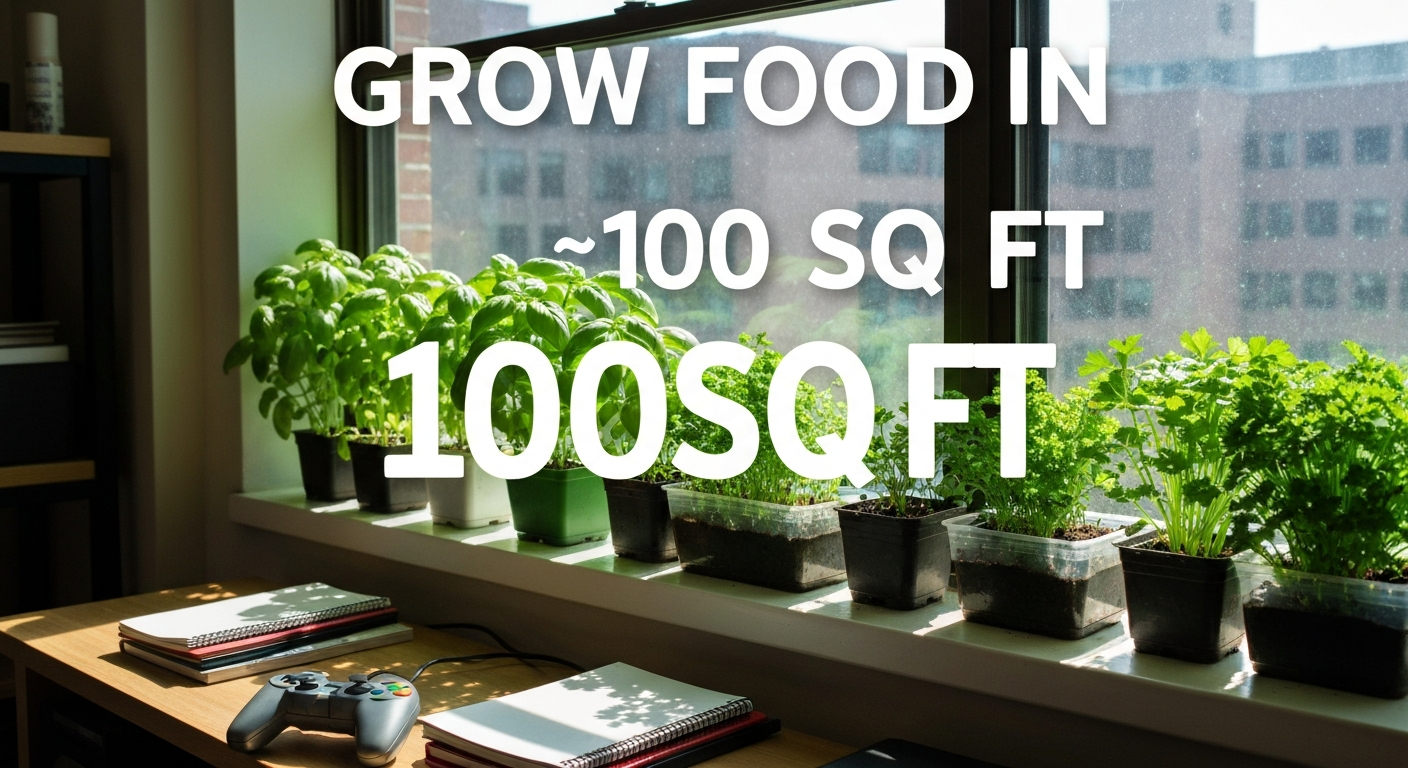
I distinctly remember standing in the middle of my first studio apartment, holding a dying basil plant I’d bought at the grocery store, wondering where I went wrong. The apartment was roughly 450 square feet, but the actual “living” area where I could put anything felt more like 100 square feet once the bed and desk were in place. I wanted fresh flavors for my cooking, but I felt completely restricted by the lack of a balcony or a dedicated garden spot.
My name is Wissam Saddique, and I run Trend Tales Park. That moment with the sad basil plant was actually the spark that started it all. I realized that most gardening advice assumed you had a backyard, or at least a patio. I had neither. I had a few windowsills and a cramped kitchen counter. I spent the next six months testing different setups, documenting exactly what fit and what didn’t in my small space. I treated my apartment like a lab, taking notes on soil mixes and light angles. Trend Tales Park is essentially the digital version of those messy notebooks—a place where I share the practical reality of growing food in tight quarters.
If you are renting a tiny space and think you can’t grow anything, I’m here to tell you that you absolutely can. You don’t need a greenhouse; you just need about 18 inches of space and a little bit of strategy.
Assessing Your “Micro-Climate”
Before you buy a single pot, you have to look at your apartment differently. In a large house, you might have a sunroom. In a studio, you have “zones” that might only be a few feet apart but have totally different environments.
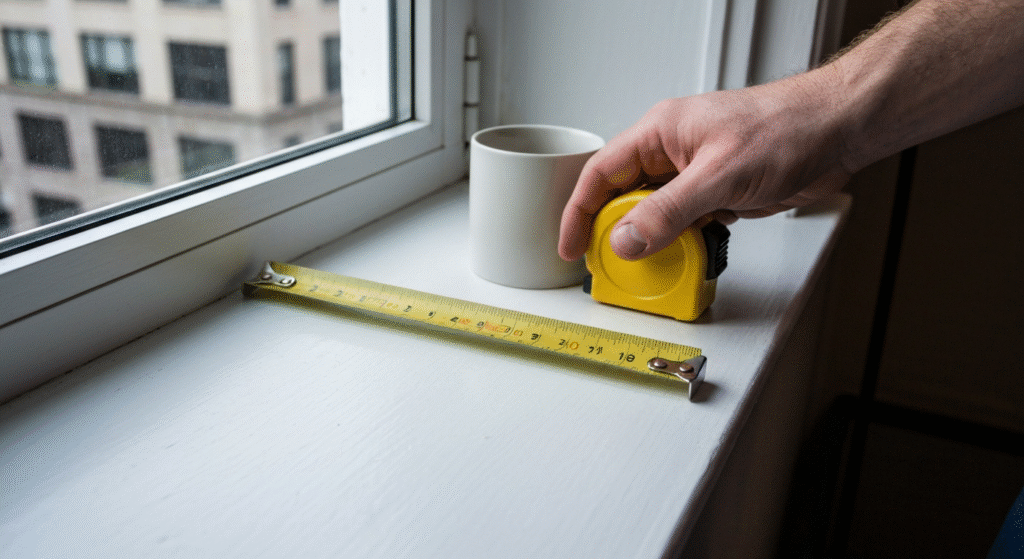
When I started, I assumed all windows were created equal. They aren’t. I grabbed a tape measure and actually measured the depth of my sills. Most standard apartment windowsills are between 4 to 6 inches deep. This is the magic number. If your pot is 7 inches wide, it’s going to tip over the moment you brush past it.
You also need to track the light. I spent a weekend just noticing where the sun hit the floor. Basil, for instance, is non-negotiable; it needs 6-8 hours of direct light. If your only window faces north and gets shadow all day, we have to adjust your plant choice or placement.
Here is a breakdown of the specific zones I identified in my own apartment, which might help you map out yours:
| Zone Description | Pros for Herbs | Cons/Challenges |
| The Windowsill (South Facing) | Gold standard for light. Gets the full 6-8 hours usually. | often only 4-6 inches deep. Can get drafty (too cold) at night. |
| Kitchen Counter Corner | Easy access for cooking. usually stable temperature (65-75°F). | often dark (under cabinets). Space is valuable for prep work. |
| Top of the Fridge | Utilizes “dead” vertical space. | often too hot from the appliance motor. Hard to reach for watering. |
| Bookshelf Top Shelf | Good vertical use. Can be placed near a window. | Risk of water damage to books below. Needs a very secure saucer. |
A quick note from my experience: I tried the top of the fridge for a week. The heat coming off the back dried out the soil twice as fast as the windowsill plants. Unless you check them daily, skip the fridge.
The Hardware: Choosing Pots for Tight Spaces
When you have limited square footage, every inch counts. I made the mistake early on of buying round terra cotta pots. They are classic, but they are heavy and round shapes waste space. If you put three round pots next to each other, you lose the triangular gaps between them.
In a studio setup, square or rectangular containers are your best friends. They flush up against each other perfectly. I switched to rectangular plastic planters that were exactly 5 inches wide. This allowed them to sit safely on my 6-inch windowsill without overhang.
Weight Matters
Since you might be renting, you have to consider weight. A ceramic pot filled with wet soil is heavy. If you are putting up a floating shelf or using a tension rod system, that weight adds up fast. I stick to high-quality resin or plastic pots. They keep the moisture in longer (which helps in dry apartments) and they weigh a fraction of clay pots.
Drainage is Non-Negotiable
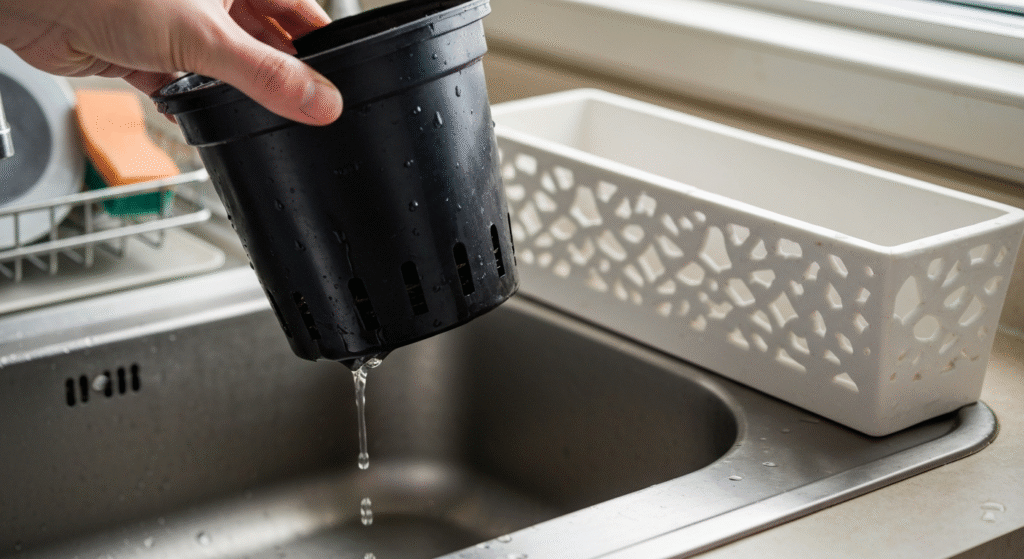
I ruined a landlord’s windowsill because I thought I could get away without drainage holes. Never again. However, in a studio, you can’t have water dripping on your floor. I use “cache pots” mostly. This is a system where you plant the herb in a cheap plastic nursery pot with holes, and then place that inside a slightly larger decorative pot that has no holes. When I water, I take the inner pot to the sink, let it drain, and put it back. It keeps the apartment clean.
The “Big Three” Starter Herbs
You will see lists online telling you to grow twenty different things. Ignore them. When you live in one room, you don’t have the bandwidth for high-maintenance divas. You want high-yield plants that forgive you if you get busy.
After killing my fair share of exotic herbs, I narrowed my “studio essentials” down to these three. They offer the best return on investment for the space they take up.
1. Basil (The King of the Kitchen)
Basil is the main reason I garden. Store-bought basil wilts in a day. Growing it is the only way to get that crunch.
- Light: It demands 6-8 hours of sunlight. Put this in your prime spot.
- Space: It grows up, not out, making it efficient for narrow counters.
- My Take: I pinch the top leaves off constantly. This forces the plant to get bushy rather than tall and lanky.
2. Mint (The Survivor)
Mint is incredibly hard to kill. It thrives even if your light isn’t perfect (though it prefers sun).
- Warning: Never plant mint in a pot with other herbs. Its roots are aggressive and will strangle your basil. Give mint its own private container.
- Space: It trails a bit, so it looks good on a slightly higher shelf.
3. Parsley (The Reliable Green)
Parsley is slower to grow but very steady. It tolerates slightly lower light than basil.
- Type: Flat-leaf (Italian) parsley usually tastes better for cooking than the curly kind.
- Harvest: You can cut the outer stems and it will keep growing from the center.
Here is a quick reference for keeping these three alive in an apartment setting:
| Herb Variety | Light Needs | Watering Habit | Best Studio Location |
| Basil | High (6-8 Hours) | Keep soil moist, not soaking. | South-facing windowsill. |
| Mint | Medium to High | Thirsty. Wilts fast if dry. | Side table or dedicated shelf. |
| Parsley | Medium (4-6 Hours) | Moderate. Let top inch dry. | Corner of the counter. |
I keep this mental check in my head: Basil is the sunbather, Mint is the thirsty one, and Parsley is the chill roommate.
Soil and The Mess Factor
In a studio apartment, you don’t have a garage to mix soil. You are likely doing this on your kitchen floor or over the sink. The last thing you want is a bag of heavy garden soil that brings in bugs.
For indoor containers, never use “garden soil” or dirt from outside. It packs down too tight and turns into a brick in the pot. You need “potting mix.” Look for a mix that lists peat moss, coconut coir, or perlite. These ingredients make the soil fluffy. Fluffy soil holds air, and roots need oxygen just as much as they need water.
The Scoop on Scooping
Since I didn’t have room for a shovel, I used an old plastic protein powder scoop. It was the perfect size to fill small pots without spilling dirt all over my rug. It sounds silly, but keeping the mess down is the key to enjoying gardening in a small space. If it becomes a huge cleanup chore every time, you’ll stop doing it.
The Routine: Living with Plants in One Room
The biggest difference between a house garden and a studio garden is that you sleep in the same room as your plants. This means the environment is controlled by your comfort preferences, which luckily align well with herbs.
Temperature Consistency
Most herbs thrive in the range of 65-75°F. This is exactly where most of us keep our thermostats. The danger zone in a studio is usually right next to the heating or AC unit. If you have a wall unit (PTAC) like many apartments do, do not place your herbs directly in the airflow path. The constant blast of hot or cold air will dry out the foliage faster than the roots can drink water.
The Airflow Challenge
In a small space, air can get stagnant. Plants breathe. If they are shoved into a tight corner with zero air movement, they can develop mold issues. I made sure to space my pots about two inches apart. It’s a tiny sacrifice of space, but it prevents moisture from getting trapped between the leaves.
Water Wisdom
I water my herbs in the morning. This gives the plant all day to drink up the moisture and let the soil surface dry out a bit before nightfall. Wet soil at night, combined with cooler evening temperatures, is a recipe for root rot. I check the soil by sticking my finger about an inch deep. If it feels dry like a wrung-out sponge, I water. If I feel any moisture, I wait.
Vertical and Creative Space Solutions
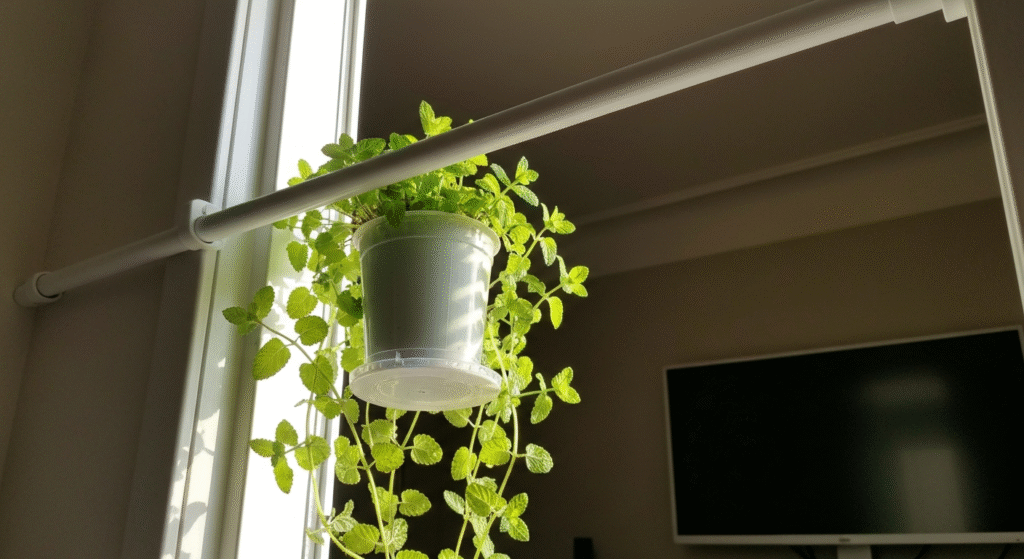
When you run out of counter space (and you will), you have to look up. Vertical gardening was the breakthrough that allowed me to go from one basil plant to a steady supply of herbs.
Tension Rod Shelves
If you have a window with a deep frame, you can install a tension rod shelf. These use pressure to stay up, so no drilling is required—perfect for getting your deposit back. I installed two tiers of glass shelves in my kitchen window. It doubled my growing space instantly. Just be mindful of the weight limit on the rods.
The Hanging Rail
I utilized the space under my kitchen cabinets. I bought a simple rail system with hooks (like you see for hanging ladles) and hung small, lightweight buckets for my herbs. This kept the counter completely clear for chopping vegetables. The key here is to ensure the spot gets enough ambient light, or you might need to swap the plants to the window every few days.
Tiered Stands
If you have a tiny slice of floor space, a tiered plant stand is better than a wide table. I found a stand that was only 12 inches wide but went 4 feet high. It tucked right into the corner near the window.
Troubleshooting Common Studio Issues
Even with the best setup, things happen. Here is what I dealt with during my first year in the 450 sq ft apartment.
Leggy Plants
After a few weeks, my basil started looking stretched out and thin. I realized it was “reaching” for the light because I had placed it too far from the window.
- The Fix: I moved it closer to the glass. If you can’t move it closer, you might need to accept that your apartment is too dark for basil and switch to mint or parsley, which are more forgiving.
The Pest Panic
In a studio, if your plant has bugs, your bedroom has bugs. Fungus gnats are the most common issue. They look like tiny fruit flies. They love wet soil.
- The Fix: I stopped overwatering. I let the soil dry out more between waterings. I also put a layer of sand on top of the soil in my pots. The gnats can’t dig through the sand to lay eggs. It’s a clean, chemical-free solution.
The “Vacuum” Effect
I realized that when I cleaned my small apartment, dust would settle on the plant leaves. Dust blocks sunlight.
- The Fix: Once a week, I take a damp paper towel and gently wipe the larger leaves. It helps the plant breathe and photosynthesize efficiently.
Frequently Asked Questions
1. Can I keep herbs in the same room where I sleep?
Yes, absolutely. Plants release oxygen during the day and a tiny amount of carbon dioxide at night, but the levels are negligible and safe. In fact, the presence of greenery can actually improve air quality and make a small space feel less claustrophobic.
2. Do I really need pots with holes in the bottom?
Yes. This is the hill I will die on. Without drainage holes, water sits at the bottom of the pot. The roots will sit in that stagnant water and rot. Once root rot sets in, the plant is usually a goner. Use a saucer or a cache pot to catch the drips.
3. What do I do with my herbs when I go on vacation?
For a short trip (3-4 days), give them a good water before you leave and move them out of direct, scorching sun so they dry out slower. For longer trips, I used the “wick method.” I placed a jar of water next to the plant and ran a piece of cotton string from the water into the soil. The soil pulls water through the string as it dries.
4. Is growing herbs actually cheaper than buying them?
Over time, yes. A packet of fresh herbs at the grocery store costs $3-$5 and lasts a few days. A starter plant costs about the same but can produce for months. If you keep a basil plant alive for just three months, you’ve saved about $30 compared to buying cut stems.
Final Thoughts on Tiny Gardening
Starting a garden in under 100 square feet of usable space isn’t just about the food; it’s about changing the feel of your home. When I finally got my setup right—basil on the windowsill, mint on the side table—my small apartment felt more alive. It wasn’t just a place I stored my stuff; it was a place where things grew.
Start small. Pick one spot, measure it, and grab a pot of basil or parsley. Don’t worry about being perfect. I killed plenty of plants figuring out the airflow in my studio, and that is part of the process.
If you are looking for more detailed information on plant hardiness zones to see what might thrive in your general region (even indoors, ambient light changes by season), the USDA Plant Hardiness Zone Map is a great resource to bookmark.
Would you like me to help you figure out the best layout for your specific window direction?

