
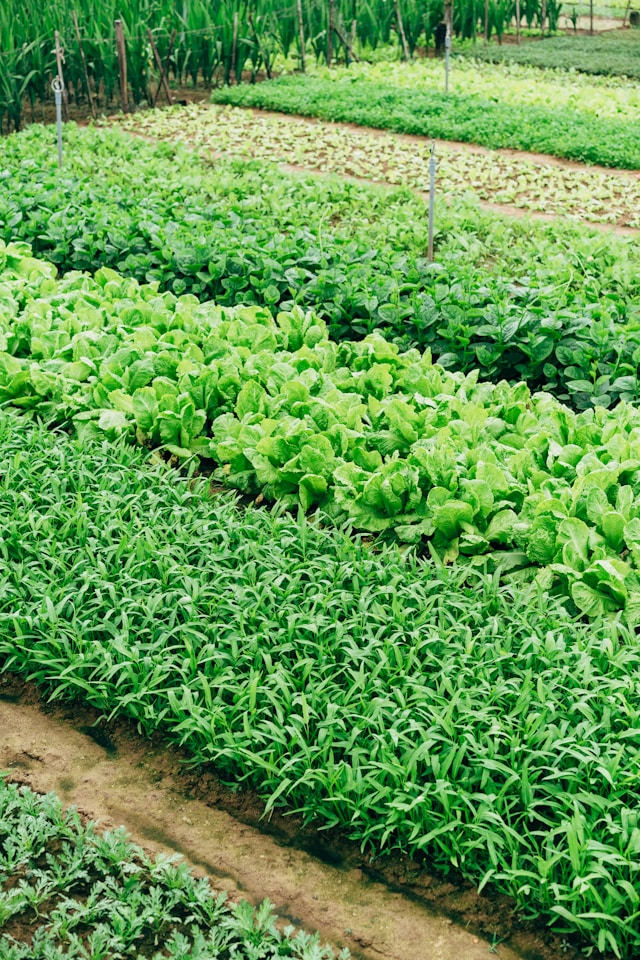
Farming is deeply connected to the rhythm of the seasons. From planting in spring to harvesting in autumn and preparing land during winter, each season brings its own responsibilities, risks, and rewards. For centuries, farmers have relied on seasonal patterns to guide their work. Today, while traditions remain strong, modern innovation is reshaping how farmers adapt to seasonal challenges. Understanding farming through the seasons reveals how agriculture balances nature, heritage, and progress to feed the world.
The Seasonal Nature of Agriculture
Why Seasons Matter in Farming
Seasons determine what crops can be grown, when they are planted, and how they are harvested. Temperature, rainfall, sunlight, and soil conditions all change throughout the year, directly influencing agricultural productivity. Farmers plan their entire year around these natural cycles.
Even with modern technology, seasonal changes remain a powerful force that farmers must respect and manage carefully.
Planning Around Natural Cycles
Successful farming requires long-term planning. Farmers analyze weather patterns, soil readiness, and crop requirements well in advance. Seasonal planning helps reduce risks, maximize yields, and ensure efficient use of resources.
By aligning farming activities with seasonal conditions, farmers create a balance between nature and productivity.
Spring: The Season of Preparation and Planting
Renewing the Soil
Spring marks the beginning of the farming year for many regions. As temperatures rise and frost clears, farmers focus on preparing the soil. This includes plowing, adding nutrients, and ensuring proper drainage.
Healthy soil is essential for strong crop growth, and spring preparation sets the foundation for the entire season ahead.
Planting Crops and Managing Risks
Planting is one of the most critical stages of farming. Timing is essential—plant too early, and crops may be damaged by cold; plant too late, and yields may suffer. Farmers must also manage risks such as excessive rain, pests, and early-season weeds.
Modern tools like weather forecasting and soil monitoring help farmers make better planting decisions while respecting traditional seasonal knowledge.
Summer: Growth, Care, and Resilience
Managing Crop Growth
Summer is a period of intense activity. Crops grow rapidly and require close attention. Farmers monitor water levels, nutrient needs, and signs of pests or disease. Irrigation becomes especially important in hot and dry conditions.
This season demands constant observation and quick responses to protect crops during their most vulnerable growth stages.
Facing Heat and Weather Extremes
One of the biggest summer challenges is extreme weather. Heat waves, droughts, and sudden storms can damage crops and reduce yields. Farmers must adapt by adjusting irrigation schedules, using shade strategies, or selecting heat-tolerant crop varieties.
These challenges highlight the importance of innovation in helping farms remain productive during harsh summer conditions.
Autumn: Harvest and Reflection
Bringing Crops from Field to Market
Autumn is harvest season, when months of hard work finally pay off. Farmers harvest crops at peak maturity to ensure quality and value. This period often involves long hours and careful coordination to prevent losses due to weather or spoilage.
Harvesting is both physically demanding and deeply rewarding, representing the culmination of the farming cycle.
Preparing for the Next Cycle
After harvest, farmers begin preparing for the next season. Fields may be cleared, soil tested, and cover crops planted to protect the land during winter. Autumn is also a time for reviewing the season’s successes and challenges.
These reflections help farmers refine their strategies and plan improvements for the coming year.
Winter: Rest, Maintenance, and Planning
Resting the Land
Winter provides a natural pause in the farming cycle. Many fields are left to rest, allowing soil to recover and rebuild nutrients. Snow and cold temperatures can help control pests and diseases, benefiting future crops.
This seasonal rest is essential for maintaining long-term soil health and productivity.
Equipment Maintenance and Strategy
While fields may be quiet, winter is a busy time behind the scenes. Farmers repair equipment, manage finances, and plan crop rotations. It is also a season for learning, with many farmers exploring new techniques and technologies.
Winter planning plays a crucial role in shaping the success of the next farming year.
Traditions Passed Through Generations
Seasonal Knowledge and Experience
Farming traditions are often passed down through generations. Knowledge about planting times, weather signs, and soil behavior has been refined over centuries. These traditions help farmers make decisions that align with local conditions.
Seasonal wisdom remains valuable, even as modern tools become more common.
Cultural and Community Traditions
Many farming communities celebrate seasonal milestones with festivals and rituals tied to planting and harvest. These traditions strengthen community bonds and honor the connection between people and the land.
Seasonal farming traditions remind us that agriculture is not just an industry, but a way of life.
Innovation Transforming Seasonal Farming
Technology Supporting Seasonal Decisions
Modern innovation has enhanced how farmers respond to seasonal changes. Tools such as climate modeling, satellite monitoring, and automated irrigation systems provide real-time insights into field conditions.
These technologies allow farmers to anticipate challenges and adapt more quickly than ever before.
Climate-Smart Farming Practices
With changing climate patterns, traditional seasonal timelines are becoming less predictable. Climate-smart practices help farmers stay resilient by improving water efficiency, protecting soil, and diversifying crops.
Innovation ensures that farming can continue despite shifting seasons and environmental uncertainty.
Balancing Challenges and Opportunities
Adapting to Uncertainty
Seasonal farming is full of uncertainty. Weather variability, market changes, and environmental pressures require constant adaptation. Farmers balance risk and opportunity with experience, planning, and flexibility.
This adaptability is one of the greatest strengths of agricultural communities.
Building a Sustainable Future
By combining traditional knowledge with modern innovation, farming can remain sustainable and productive. Seasonal awareness helps farmers protect natural resources while meeting growing food demands.
Sustainable seasonal farming ensures that land remains fertile and communities remain fed for generations to come.
Conclusion: The Timeless Rhythm of Farming
Farming through the seasons is a story of resilience, patience, and progress. Each season brings unique challenges and responsibilities, shaping the rhythm of agricultural life. While technology and innovation continue to transform farming, the influence of seasons remains constant.
By honoring traditions and embracing innovation, farmers navigate seasonal cycles with skill and determination. This balance ensures that agriculture continues to thrive, providing food, stability, and connection to the natural world—season after season.

