
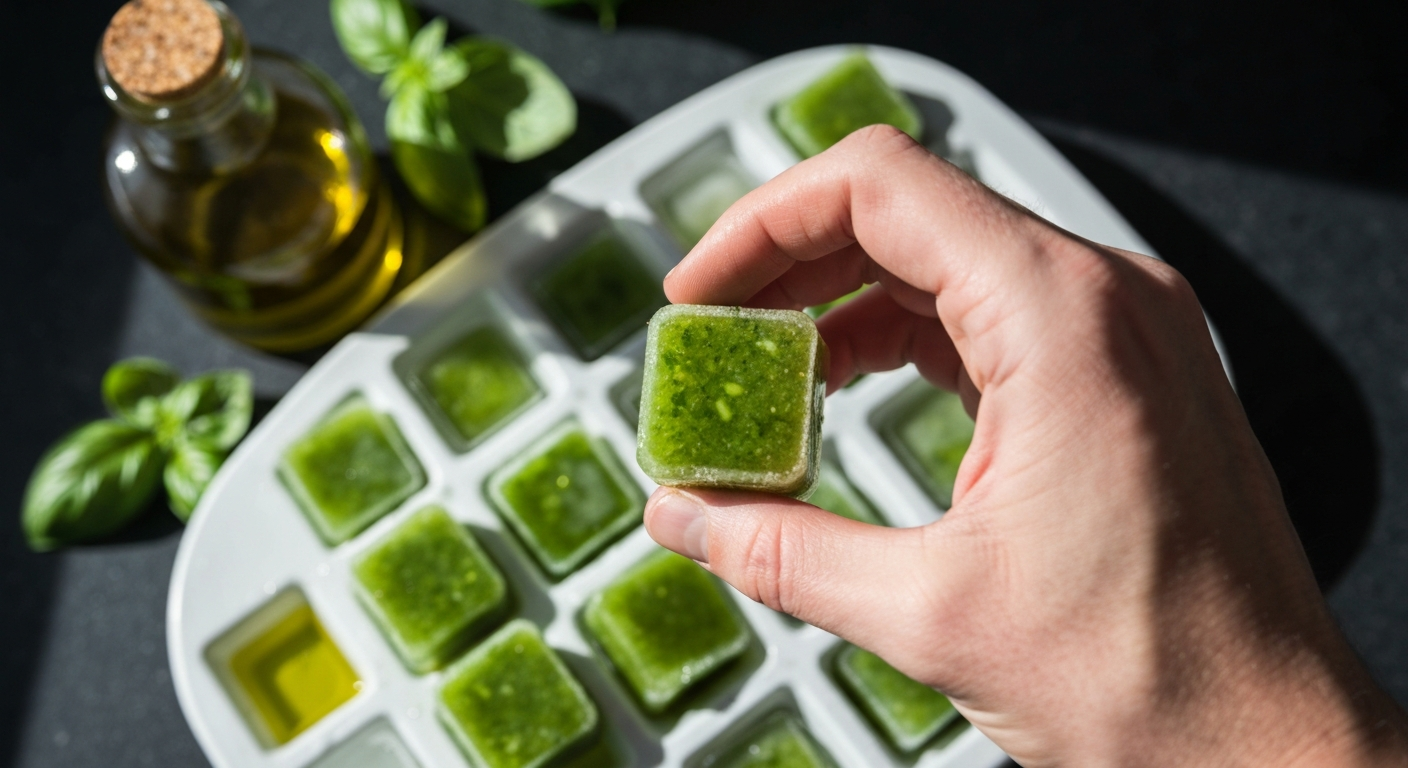
There is a specific kind of heartbreak that happens in a small kitchen. It’s that moment when you look at the basil plant on your windowsill—the one you’ve nurtured for months—and realize it needs a massive trim right now, or it’s going to bolt and turn bitter. But you can’t possibly eat three cups of pesto tonight.
I’ve been there more times than I can count. My name is Wissam Saddique, and living in a small apartment means my gardening space is premium real estate. I treat my indoor container garden seriously because I don’t have room for mistakes or waste. Early on, I tried just shoving bags of leaves in the freezer, only to end up with a freezer-burned, brown mess that tasted like old ice. That failure pushed me to spend the last year testing different preservation variables.
I specifically focused on the two most popular freezing mediums: water and oil. I wanted to know, once and for all, which one actually preserved the integrity of the herb. I ran a side-by-side test with my basil and cilantro harvest, freezing some batches in water and others in olive oil, then cooking with them three months later. The results changed how I handle my harvest, and it’s not quite as simple as saying one is always better than the other.
The Logic Behind Encasement Freezing
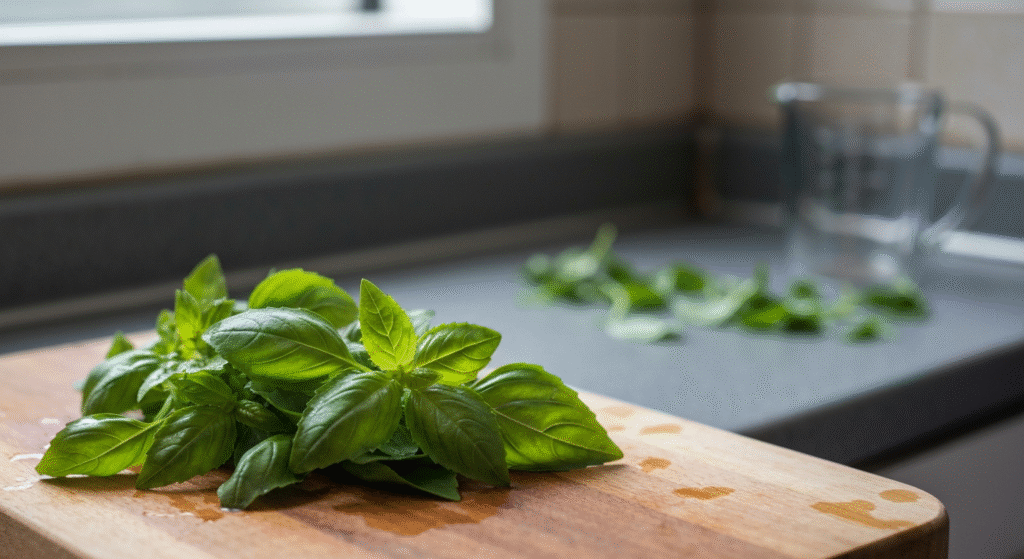
Before we get into the messy details of filling ice cube trays, it helps to understand why we are adding liquid at all. If you just throw a basil leaf into a bag and freeze it, the cold air sucks the moisture right out of the delicate plant cells. This is what causes freezer burn. The leaf turns black, shrivels, and loses that punchy aroma.
The goal of using oil or water is to create an airtight seal around the herb. You are essentially suspending the leaf in a protective block.
I found that while both methods protect the herb from air, they interact with the flavor compounds differently. Herbs like basil, cilantro, and dill rely on volatile oils for their flavor.
- The Oil Theory: Since herb flavors are often oil-soluble, freezing them in fat might bond the flavor to the cube, preventing it from escaping.
- The Water Theory: Water is neutral. It shouldn’t alter the flavor, but it creates a hard block of ice that might damage the leaf texture more severely upon thawing.
Method 1: The Water Suspension Technique
I started with the water method because it is the most accessible. You don’t need fancy oils, just tap water and an ice cube tray. However, after doing this with several batches of parsley and mint, I realized there are nuances to getting it right so you don’t end up with a “herb popsicle” that is 90% ice and 10% herb.
How I Prepared the Water Cubes
I took a standard plastic ice cube tray—nothing fancy. For the herbs, I tested both whole leaves and chopped.
- The Wash: I rinsed the herbs thoroughly and, crucially, patted them completely dry. Extra water on the leaves before freezing just adds ice crystals I didn’t want.
- The Fill: I packed the wells of the tray about three-quarters full with herbs. You really have to stuff them in there. If you just float a few leaves, you’re mostly freezing water.
- The Pour: I slowly poured water over the herbs.
- The Adjustment: The herbs have a tendency to float to the top. I had to use a teaspoon to poke them back down as they started to freeze, or the top layer would get exposed to the freezer air.
The Results: 3 Months Later
When I pulled these cubes out after three months, the first thing I noticed was the color. The mint and parsley frozen in water stayed vibrantly green. The ice acted like a lens, and they looked almost as fresh as the day I picked them.
However, the texture was the issue. Water expands when it freezes. When the ice thawed, the cell walls of the herbs burst. The result was soggy herbs. They were limp.
Flavor Retention: The flavor was clean but slightly diluted. When I melted a cilantro-water cube into a soup, it tasted like cilantro, but I had to use two cubes to get the punch I wanted.
Best Use Case: This method is strictly for “wet” cooking. I found these cubes perfect for dropping into boiling soup stocks, stews, or even tossing a mint cube into a pitcher of iced tea.
Pros and Cons of Water Freezing
| Feature | Performance | Notes |
| Cost | Free | No ingredients needed other than the herb. |
| Versatility | Low | You cannot use these for sautéing (water + hot oil = danger). |
| Color Retention | High | Keeps herbs looking bright green. |
| Flavor Profile | Neutral | Doesn’t add flavor, but dilutes the herb slightly. |
| Texture | Mushy | Leaves become completely limp upon thawing. |
Method 2: The Oil Infusion Technique
This was the method I was most excited to test, primarily because I cook with olive oil almost every night. The idea of having a “flavor bomb” ready to drop into a pan sounded like a massive time-saver for my weeknight dinners.
How I Prepared the Oil Cubes
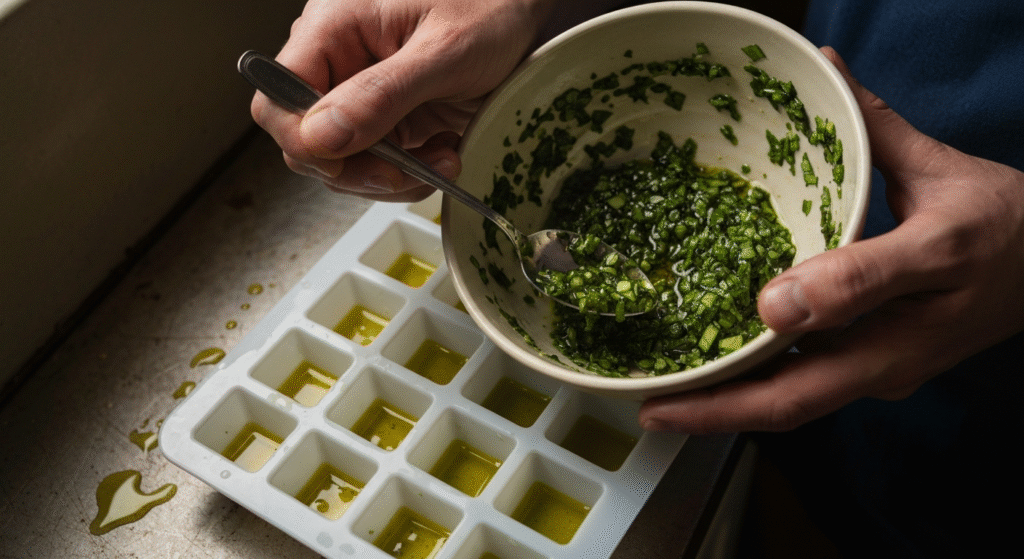
For this test, I used a ratio that I’ve found works best through trial and error. If you use too much oil, it’s messy. Too little, and the herbs are exposed.
My Golden Ratio: 2 parts chopped herbs to 1 part oil.
- The Chop: Unlike the water method where I could leave leaves whole, I found the oil method works best if the herbs are chopped. It creates a paste-like consistency that freezes more evenly.
- The Mix: I didn’t just pour oil over the herbs in the tray. I mixed the chopped herbs and olive oil in a bowl first. This ensured every single leaf fragment was coated in oil before it went into the tray.
- The Fill: I spooned this thick sludge into the tray. It’s messier than water. You will get oil on your counter.
- The Freeze: Olive oil doesn’t freeze as hard as water. It turns into a solid, opaque butter-like block, but it remains slightly soft to the touch even after 24 hours.
The Results: 3 Months Later
I grabbed a basil-oil cube to make a quick pasta sauce. As soon as it hit the warm pan, the smell hit me. It was intense. The oil had preserved the aroma significantly better than the water had.
Because the volatile oils in the basil had bonded with the olive oil, the flavor hadn’t just been preserved; it felt like it had been amplified. The basil didn’t turn black or brown—it stayed a dark, rich green.
Cooking Behavior: This was seamless. The oil melted instantly, and the herbs began to sauté immediately. There was no excess water to boil off. It felt like I was cooking with fresh ingredients, just pre-chopped.
Best Use Case: These are incredible for sautéing vegetables, starting a pasta sauce, roasting potatoes, or searing meats. You are adding fat and flavor in one step.
Pros and Cons of Oil Freezing
| Feature | Performance | Notes |
| Cost | Moderate | Requires olive oil or neutral cooking oil. |
| Versatility | High | Perfect for frying, roasting, and sautéing. |
| Flavor Retention | Excellent | Fat protects and carries the flavor compounds. |
| Convenience | High | Melts faster than ice; acts as cooking fat. |
| Clean-up | Difficult | Trays become greasy and need hot soapy water. |
The Comparison: Flavor and Texture
After spending the last year relying on these cubes, I have come to a firm conclusion regarding flavor.
Oil wins on flavor, hands down.
When you freeze in water, you are essentially diluting the herb. When the ice melts, that water (which now tastes slightly like herbs) often gets cooked off or mixed into a large pot of soup. You lose some of the concentration.
With oil, the fat encapsulates the flavor. When you cook with it, that flavored oil coats your food. I made a roasted chicken using rosemary-oil cubes, and the flavor penetration was significantly better than when I used the rosemary-water cubes, which just created steam in the roasting pan.
Texture is a tie (because both lose).
Neither method will give you a garnish-ready herb. You cannot thaw a basil cube (oil or water) and put it on a Caprese salad. It will look like a wet rag. Freezing destroys the cellular structure of soft herbs regardless of the medium. These methods are strictly for cooked applications.
Which Herbs for Which Method?
Not all herbs react the same way. Through my testing in my small kitchen, I’ve developed a preference for which herbs go into which liquid. Some delicate leaves turn to mush too easily in water, while others hold up fine.
Here is how I categorize them based on my results:
The “Oil-First” Group
These are soft herbs with potent flavors that are oil-soluble. They are usually cooked in fat anyway.
- Basil: The absolute king of the oil method. Water makes basil turn black and tasteless. Oil keeps it green and fragrant.
- Cilantro: If you plan to use it in a curry or sauté, oil is best. If you want it for a fresh salsa, freezing doesn’t work well at all.
- Oregano: Freezes beautifully in oil for pasta bases.
- Sage: Chopped sage in oil is a secret weapon for roasted squash.
The “Water-Friendly” Group
These are herbs often used in teas, beverages, or clear broths where you might not want a layer of oil floating on top.
- Mint: I don’t want olive oil in my iced tea or mojito. Freeze mint whole in water.
- Dill: While dill works in oil for fish, I often use it in cucumber salads or light soups where oil might be heavy.
- Parsley: It’s tough enough to handle the water freeze, and it’s often tossed into soups by the handful.
Note: For woody herbs like rosemary and thyme, I actually found that neither freezing method is ideal compared to other preservation techniques, but if you must freeze them, oil is the better choice to prevent the needles from becoming brittle.
Step-by-Step Guide to Storing Your Cubes
One mistake I made early on was leaving the cubes in the trays. Do not do this.
If you leave the herbs in the tray for months, they eventually pick up “freezer smells.” Your basil starts tasting like the frozen pizza sitting next to it. Plus, you lose the use of your ice cube tray.
My Transfer Routine:
- Freeze Hard: I let the tray sit for at least 24 hours (48 for oil, as it sets slower).
- The Pop: Twist the tray to release the cubes. Oil cubes might need a little help with a butter knife as they can be sticky.
- Bagging: I transfer them immediately into heavy-duty freezer bags.
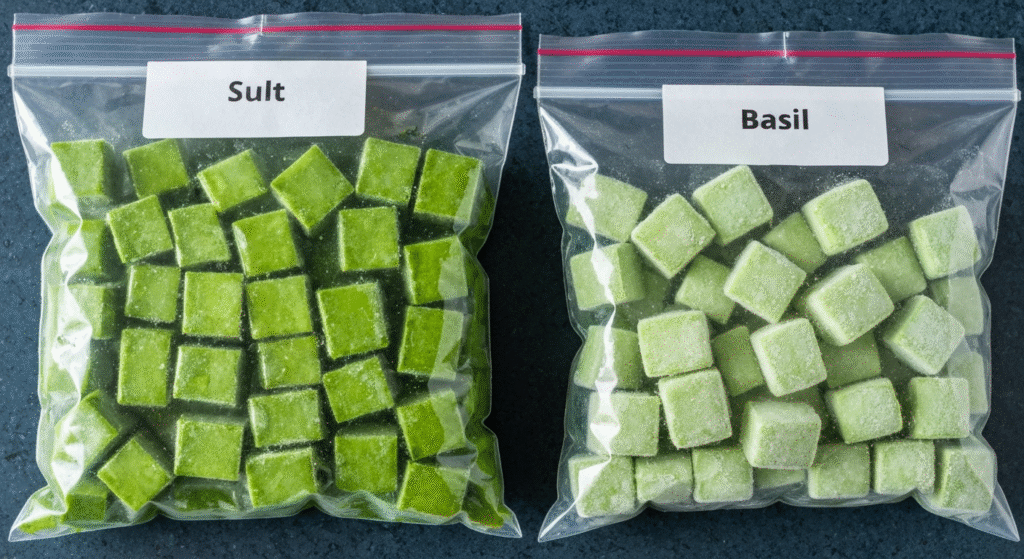
- Labeling: This is non-negotiable. Once frozen, a cube of chopped cilantro looks exactly like a cube of chopped parsley. I write the herb name, the medium (Oil/Water), and the date on the bag.
- ** Shelf Life:** I try to use my oil cubes within 4-6 months. After that, even the oil can start to taste a bit stale. Water cubes can technically last longer, but the flavor fades after month 6.
How to Cook with Frozen Herb Cubes
The beauty of this system is the convenience, but you have to be careful about safety, specifically with the water cubes.
Using Oil Cubes:
You can throw these directly into a hot pan. They will sizzle and melt immediately. I usually use them as the “starter” fat. For example, if I’m making spaghetti sauce, I’ll throw a basil-oil cube in the pan, let it melt, and then add my onions and garlic. It creates an instant flavor base.
Using Water Cubes:
Safety Warning: Never throw a water-based herb cube into hot oil. Water and hot oil do not mix. The water will instantly turn to steam and explode the hot oil out of the pan, which can cause serious burns or a grease fire.
Use water cubes by dropping them into liquids that are already simmering (soups, stews, sauces) or let them thaw in a small bowl first if you need to drain the water.
Troubleshooting Common Issues
Even with a simple process, things can go wrong. Here are a few hiccups I encountered and how I fixed them.
1. The Herbs Turned Brown
If your herbs turned brown inside the ice cube, it usually means they weren’t fully submerged or coated. Oxygen got to them.
- The Fix: For water, poke the herbs down as they freeze. For oil, ensure you mix the herbs with oil before putting them in the tray, rather than just pouring oil over the top.
2. The Oil Cube is Too Soft
Different oils have different freezing points. Extra Virgin Olive Oil usually freezes solid enough to handle, but some lighter vegetable oils or avocado oils might stay slushy.
- The Fix: If your cubes are mushy, keep them in the tray until the very moment you transfer them to the bag, and keep that bag in the coldest part of your freezer (usually the back), not the door.
3. Freezer Burn on the Surface
If you see ice crystals forming directly on the oil cube, your bag isn’t sealed well.
- The Fix: Squeeze as much air as possible out of the Ziploc bag before sealing. I sometimes use a straw to suck the air out (DIY vacuum seal) to ensure the cubes stay fresh.
Conclusion
After a year of testing, I have largely switched to the oil method for 80% of my herb preservation. The flavor retention is simply superior, and it fits better with how I actually cook. I want those herbs for savory dishes, sautés, and roasts, where the oil is a welcome addition.
However, I keep a small stash of water-frozen mint and lemon balm for teas and cold drinks. It’s all about matching the preservation method to how you plan to eat the food later. Don’t freeze basil in water if you want a rich pasta sauce, and don’t freeze mint in oil if you want a refreshing tea.
If you are looking for more scientific details on the specifics of freezing temperatures and food safety, the University of Georgia’s National Center for Home Food Preservation is an excellent resource to bookmark.
Frequently Asked Questions
1. Can I refreeze the cubes if they thaw out?
No. Once the herbs thaw, the quality degrades rapidly, and the risk of bacterial growth increases. If you take a cube out, use it immediately. Do not put a half-melted cube back in the bag.
2. Can I use butter instead of oil?
Yes, absolutely. I have tried this with sage and it is delicious. Melt the butter, let it cool slightly (so it doesn’t cook the herbs), mix in the chopped herbs, and freeze. It makes a fantastic topping for steaks or corn on the cob.
3. Does this work for store-bought herbs too?
Yes. This method isn’t just for gardeners. If you buy a giant bunch of cilantro from the grocery store and only need a tablespoon for tacos, chop and freeze the rest in oil immediately. It saves money and reduces food waste.
4. Will the oil go rancid in the freezer?
Eventually, yes. Fats can oxidize even when frozen, though it happens much slower. That is why I recommend a 4-6 month limit. If the frozen cube smells like crayons or old paint, the oil has gone rancid and you should toss it.

