
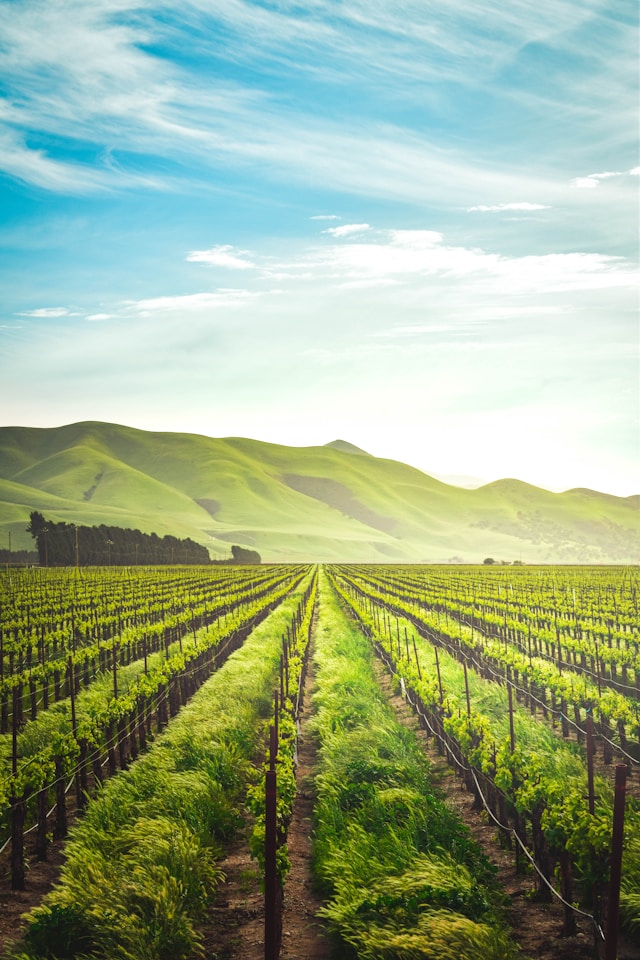
Modern farming is the backbone of global food security. From the moment a seed is planted in the soil to the time food reaches our plates, agriculture has evolved into a highly efficient, technology-driven system. As the world’s population continues to grow, modern farming practices play a crucial role in producing more food while using fewer resources. This journey from soil to supper highlights how innovation, sustainability, and science work together to feed billions of people every day.
The Evolution of Farming Practices
From Traditional Methods to Modern Agriculture
For thousands of years, farming relied on simple tools, manual labor, and natural rainfall. While these traditional methods laid the foundation for agriculture, they were often limited by low yields and unpredictable conditions. Modern farming emerged as a response to these challenges, introducing advanced tools, machinery, and scientific knowledge to improve productivity.
Today’s farmers use data-driven techniques, improved crop varieties, and efficient irrigation systems. These advancements allow them to grow more food on less land while reducing waste and labor intensity.
The Role of Mechanization
Mechanization has transformed agriculture. Tractors, harvesters, and automated planting equipment have replaced much of the manual labor once required on farms. This shift has increased efficiency, reduced production time, and enabled farmers to manage larger areas of land with precision.
Mechanized farming also helps reduce crop losses during planting and harvesting, ensuring that more food makes it from the field to the market.
The Importance of Soil Health
Soil as the Foundation of Food Production
Healthy soil is essential for successful farming. It provides plants with nutrients, water, and support for root systems. Modern agriculture places a strong emphasis on soil management to maintain long-term productivity.
Farmers now use soil testing to understand nutrient levels and adjust fertilization accordingly. This targeted approach improves crop yields while preventing overuse of fertilizers.
Sustainable Soil Management Practices
Practices such as crop rotation, cover cropping, and reduced tillage help protect soil structure and fertility. These methods prevent erosion, increase organic matter, and promote beneficial microorganisms.
By focusing on soil health, modern farming ensures that land remains productive for future generations while supporting sustainable food systems.
Advanced Crop Science and Technology
Genetically Improved Crops
One of the most significant advancements in modern farming is the development of improved crop varieties. These crops are bred to resist pests, tolerate drought, and produce higher yields. As a result, farmers can grow reliable harvests even in challenging environmental conditions.
Improved seeds also contribute to food security by reducing crop failures and increasing overall production.
Precision Agriculture
Precision agriculture uses technology such as GPS, sensors, and data analytics to optimize farming operations. Farmers can monitor crop health, soil moisture, and nutrient levels in real time. This allows for precise application of water, fertilizers, and pesticides only where needed.
The result is higher efficiency, lower costs, and reduced environmental impact—all while maintaining strong yields.
Water Management in Modern Farming
Efficient Irrigation Systems
Water is a critical resource in agriculture, and modern farming has developed innovative ways to use it wisely. Drip irrigation and sprinkler systems deliver water directly to plant roots, minimizing evaporation and runoff.
These systems help farmers conserve water while ensuring crops receive consistent moisture, especially in regions facing water scarcity.
Adapting to Climate Challenges
Climate change has made weather patterns more unpredictable. Modern farming addresses this by using weather forecasting tools and climate-smart practices. Farmers can adjust planting schedules and irrigation plans to respond to changing conditions, reducing the risk of crop loss.
From Harvest to Distribution
Post-Harvest Handling and Storage
Producing food is only part of the journey. Proper handling and storage are essential to prevent spoilage and waste. Modern farming includes advanced storage facilities that control temperature and humidity, extending the shelf life of crops.
Improved logistics ensure that food remains fresh as it moves from farms to processing centers and markets.
Global Food Supply Chains
Modern farming supports complex supply chains that connect farmers to consumers worldwide. Efficient transportation, processing, and packaging systems allow food to travel long distances while maintaining quality.
These global networks ensure that people have access to a wide variety of foods year-round, regardless of local growing seasons.
Sustainability and the Future of Farming
Reducing Environmental Impact
Modern farming aims to balance productivity with environmental responsibility. By using fewer chemicals, conserving water, and protecting biodiversity, farmers can reduce their ecological footprint.
Sustainable practices not only protect natural resources but also build resilience against future challenges.
Feeding a Growing Population
With the global population continuing to rise, the demand for food will only increase. Modern farming provides the tools and strategies needed to meet this demand without exhausting the planet’s resources.
Innovation, education, and responsible land management will remain key factors in ensuring that agriculture can continue to feed the world.
Conclusion: From Soil to Supper
The journey from soil to supper is a complex process shaped by science, technology, and human dedication. Modern farming has transformed agriculture into a system capable of feeding billions while adapting to environmental and economic challenges.
By prioritizing soil health, embracing innovation, and focusing on sustainability, modern agriculture ensures that food production remains reliable and efficient. As farming continues to evolve, it will play an even more vital role in nourishing the world—today and for generations to come.

