
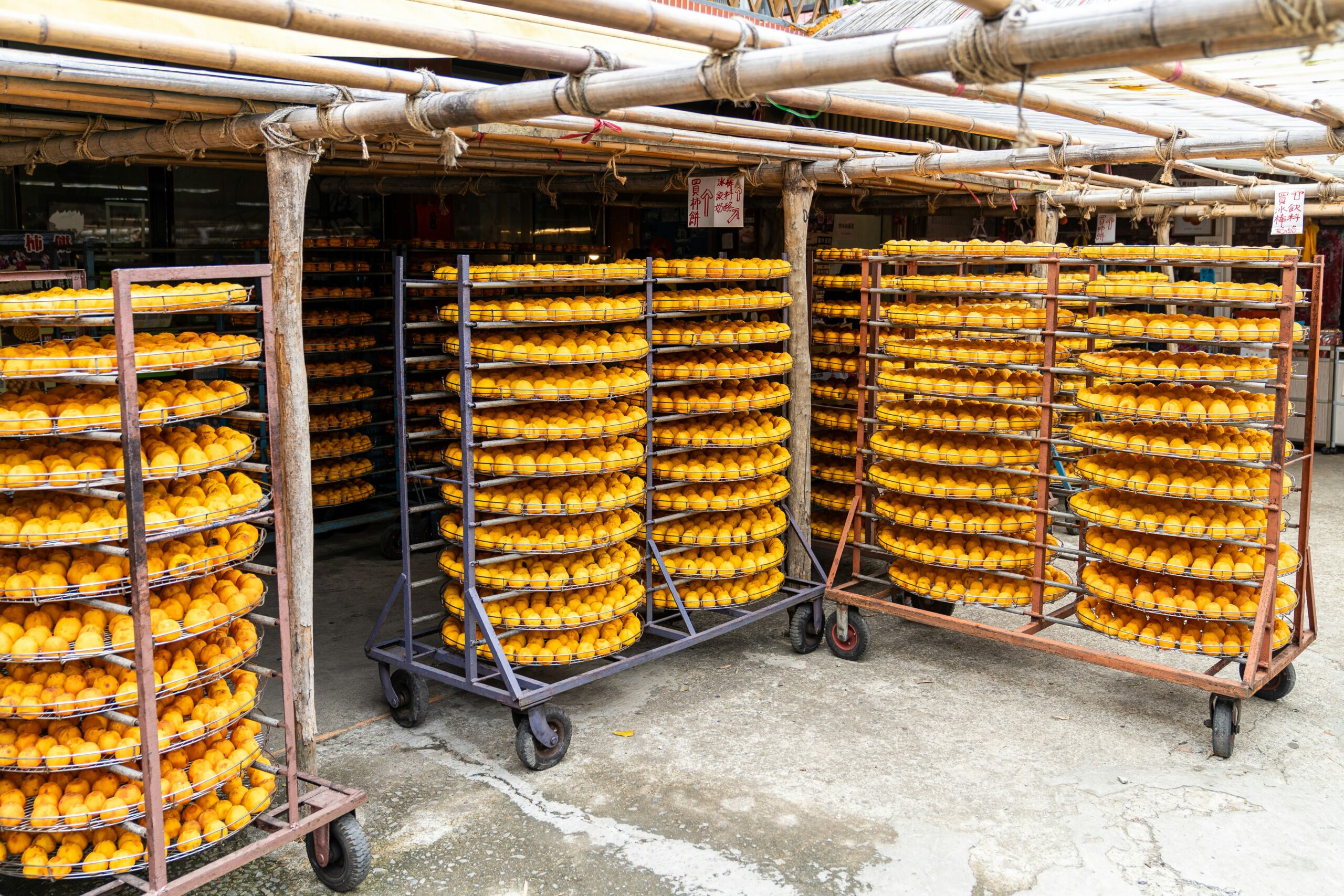
Introduction
Post-harvest handling is a critical phase in the agricultural process that directly affects crop quality, shelf life, and profitability. Even when crops are grown and harvested correctly, improper handling after harvest can lead to significant losses due to spoilage, physical damage, and contamination. In many cases, post-harvest losses account for a large percentage of total production, especially for fruits, vegetables, and other perishable crops. Implementing effective post-harvest handling methods helps preserve freshness, maintain nutritional value, and reduce waste from farm to market.
Understanding Post-Harvest Loss
Post-harvest loss refers to the reduction in quantity and quality of crops after they have been harvested. This loss can occur at multiple stages, including handling, cleaning, storage, transportation, and marketing. Common causes include mechanical damage, moisture loss, microbial growth, improper temperature control, and pest infestation.
Reducing post-harvest loss is not only about increasing profits but also about improving food security and sustainability. By preserving more of what is grown, farmers and distributors can make better use of resources and reduce the environmental impact of food production.
Gentle Handling to Prevent Physical Damage
Physical damage is one of the leading causes of post-harvest loss. Bruising, cuts, and crushing damage plant tissues and create entry points for bacteria and fungi. These injuries accelerate spoilage and reduce market value.
To minimize damage, crops should be handled as gently as possible at every stage. Workers should avoid throwing or dropping produce and instead place it carefully into containers. Using padded surfaces, shallow bins, and smooth containers helps reduce impact and pressure damage. Training workers in proper handling techniques significantly lowers loss rates and improves overall crop quality.
Sorting and Grading After Harvest
Sorting and grading are essential steps in post-harvest handling. Removing damaged, diseased, or overripe produce prevents spoilage from spreading to healthy crops. Even a small number of damaged items can accelerate decay throughout an entire batch.
Grading crops by size, maturity, and quality also improves storage and transportation efficiency. Uniform produce stores more consistently and meets market standards more easily. Sorting allows growers to allocate crops appropriately, directing higher-quality produce to fresh markets and lower-grade produce to processing or immediate use.
Cleaning and Sanitization Practices
Proper cleaning removes dirt, debris, and microorganisms that can cause spoilage. Washing crops with clean water helps improve appearance and reduce contamination. However, cleaning must be done carefully to avoid damaging delicate skins or allowing excess moisture to remain on produce.
Sanitization of tools, containers, and handling surfaces is equally important. Dirty equipment can transfer pathogens from one batch to another, increasing losses. Regular cleaning routines and proper hygiene practices reduce the risk of contamination and help maintain consistent quality.
After washing, produce should be dried adequately before storage. Excess moisture encourages mold and bacterial growth, which can rapidly lead to spoilage.
Temperature Management and Cooling
Temperature control is one of the most effective ways to reduce post-harvest loss. High temperatures increase respiration rates in crops, leading to faster deterioration and moisture loss. Cooling crops soon after harvest slows metabolic processes and extends shelf life.
Different crops require different storage temperatures, but most benefit from cool, stable conditions. Rapid cooling methods such as shade cooling, evaporative cooling, or cold storage help preserve freshness. Avoiding temperature fluctuations is just as important, as repeated warming and cooling can cause condensation and promote decay.
Maintaining appropriate temperature throughout transportation and storage ensures crops remain in optimal condition until they reach the consumer.
Moisture and Humidity Control
Moisture management plays a key role in post-harvest preservation. Low humidity can cause crops to lose water, leading to wilting and weight loss. High humidity, on the other hand, can encourage fungal growth and rot.
Balancing humidity levels according to crop requirements helps maintain quality. Leafy greens generally require higher humidity to stay crisp, while onions and garlic need drier conditions to prevent mold. Proper ventilation and breathable packaging help regulate moisture and reduce condensation.
Understanding crop-specific humidity needs allows growers to fine-tune storage environments and minimize losses.
Proper Packaging and Storage Containers
Packaging protects crops from physical damage, contamination, and environmental stress. Choosing the right packaging materials and container sizes helps reduce post-harvest loss. Containers should be strong, clean, and well-ventilated to allow airflow and prevent pressure buildup.
Overfilling containers increases the risk of bruising, while poorly designed packaging can trap moisture and heat. Using standardized containers also improves handling efficiency and reduces unnecessary movement during transportation.
Reusable containers should be cleaned and sanitized regularly to prevent contamination between harvests.
Pest and Disease Control During Storage
Pests and diseases can cause significant post-harvest losses if not properly managed. Rodents, insects, and microorganisms are attracted to stored crops, especially in warm and humid environments.
Maintaining clean storage areas and removing crop residues reduces pest attraction. Proper sealing of storage facilities and regular inspection help detect problems early. Good airflow and sanitation practices create unfavorable conditions for pests and pathogens.
Preventative measures are more effective than reactive treatments, as once infestation or disease spreads, losses can increase rapidly.
Transportation and Handling During Distribution
Transportation is a vulnerable stage in the post-harvest chain. Rough roads, excessive stacking, and poor temperature control can undo earlier efforts to preserve crop quality. Securing loads properly and minimizing movement during transport reduces mechanical damage.
Transport vehicles should be clean, well-ventilated, and temperature-controlled when possible. Reducing transport time also helps preserve freshness and minimize spoilage. Coordinating logistics efficiently ensures crops reach markets quickly and in good condition.
Proper handling during loading and unloading is just as important as careful storage.
Training and Awareness
One of the most effective ways to reduce post-harvest loss is through education and training. Workers involved in harvesting, handling, storage, and transportation must understand how their actions affect crop quality.
Simple improvements in handling techniques, hygiene, and observation can lead to significant reductions in loss. Creating clear handling protocols and promoting accountability helps maintain consistent standards across the entire post-harvest process.
Awareness of best practices empowers growers and handlers to make informed decisions that protect crop value.
Monitoring and Continuous Improvement
Reducing post-harvest loss is an ongoing process that requires regular evaluation. Monitoring storage conditions, inspecting crops frequently, and keeping records of losses help identify problem areas.
By analyzing where and why losses occur, growers can adjust practices and improve efficiency. Continuous improvement ensures that post-harvest handling methods remain effective under changing conditions and market demands.
Adapting techniques based on experience leads to long-term success and greater sustainability.
Conclusion
Post-harvest handling methods play a vital role in reducing crop loss and preserving food quality. Gentle handling, proper sorting, effective temperature and moisture control, clean storage, and careful transportation all contribute to extending shelf life and minimizing waste. By focusing on each stage after harvest and applying practical, well-informed techniques, growers can protect their crops, increase profitability, and support a more sustainable food system. Effective post-harvest management ensures that the effort invested in growing crops is rewarded with maximum value and minimal loss.

